
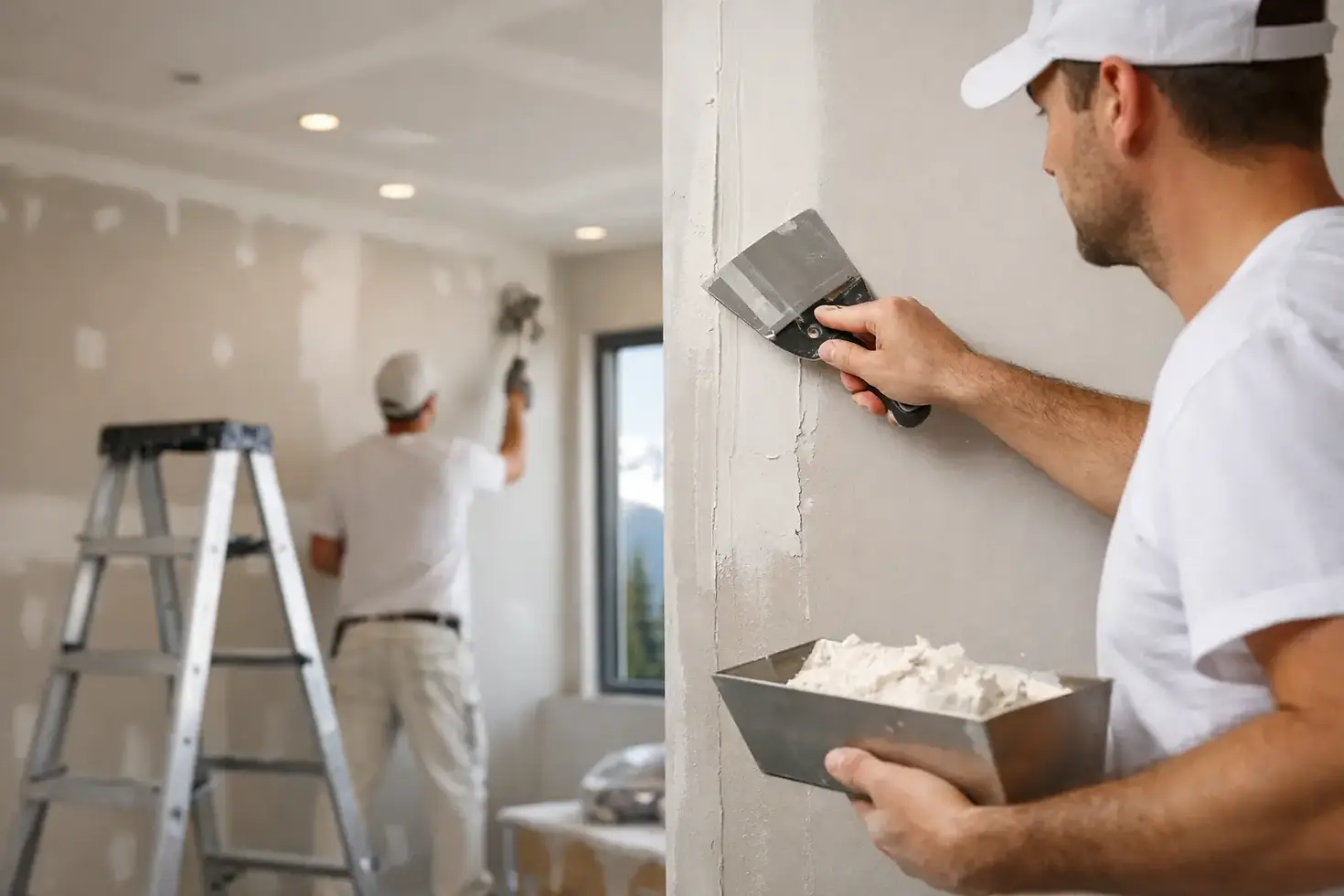
Drywall Finishing for Coquitlam Homes That Lasts
- Devlin Drywall

- Aug 14
- 6 min read
A freshly painted wall can still reveal every drywall shortcut underneath it. In Coquitlam homes, natural light from large windows, open-concept layouts, and modern flat paint finishes often make seams, uneven corners, and poor texture repairs stand out quickly. That is why drywall finishing Coquitlam homes can rely on is not simply about applying mud and sanding it smooth. It is careful surface preparation, patient coat work, clean protection of the home, and knowing where a wall needs correction before paint makes the problem more obvious.
For a homeowner, the difference is felt long after the crew leaves. Doors and baseboards sit against clean lines, repaired areas disappear into the surrounding wall, and a renovated room looks complete rather than patched together. Good finishing also avoids the frustrating cycle of repainting, touching up, and calling someone back to fix flaws that should have been addressed the first time.
What drywall finishing actually includes
Drywall boards are only the starting point. Finishing is the process that turns installed board, fasteners, joints, corners, and openings into a continuous paint-ready surface. A proper finish typically includes taping the joints, applying multiple coats of compound, setting and finishing corner bead, covering fasteners, sanding, and checking the work under the right light.
The number of coats is not a matter of rushing through a checklist. Wide joints, butt seams, ceiling transitions, and repaired sections need enough compound feathered over a broad area to avoid a visible ridge. Corners need to be straight, durable, and consistent. Sanding needs to remove imperfections without scuffing the drywall paper or leaving dusty residue throughout the house.
This is where trade judgement matters. A small wall repair may need only localized work and texture blending. A basement renovation, kitchen reconfiguration, or full main-floor update requires a more coordinated approach so new walls, existing surfaces, bulkheads, and ceilings all read as one finished space.
Why Coquitlam homes can be demanding to finish
Every home has its own conditions, but several common situations make drywall work more exacting. Older homes may have settled over time, leaving cracks where walls meet ceilings or around door openings. Renovations can expose uneven framing, old repairs, or transitions between original materials and new board. Newer homes may use expansive windows and smooth, contemporary finishes that leave little room for imperfection.
Light exposes more than most homeowners expect
A wall can look acceptable under general room lighting and still show flaws when morning or late-afternoon sun tracks across it. This is called raking light, and it reveals raised seams, shallow depressions, sanding scratches, and wavering corner lines.
A quality finisher checks broad surfaces from more than one angle rather than relying on a quick glance straight on. In rooms with large windows, pot lights, or a feature wall painted in a deep colour, the standard needs to be especially high. Dark and satin paints can be unforgiving, so it is wise to discuss the final paint sheen before finishing begins.
Repairs need to blend, not just cover damage
Water staining, moving damage, electrical access holes, and previous poor repairs are common reasons to call a drywall specialist. The visible hole is often the easy part. The real challenge is creating a repair that does not telegraph through the surrounding surface after priming and painting.
For textured walls or ceilings, the match needs to consider pattern, density, direction, and age. A texture that is technically similar but applied too heavily can still look like a patch. On smooth walls, the finished area must be feathered far enough that its edge disappears under paint.
Cracks need an honest assessment
Not every crack means a serious structural issue, but simply filling it with compound is rarely a lasting repair. Cracks can return when the underlying joint moves, framing shifts, or a previous repair was not reinforced correctly. The right fix depends on the location, width, pattern, and whether the crack is active.
A homeowner deserves a clear explanation of that distinction. Sometimes a properly taped and refinished joint is the sensible solution. In other cases, moisture, ongoing movement, or a building issue should be addressed before cosmetic work begins. Good advice protects the finish and the homeowner's budget.
The finish level should match the room and the plan
Not every area of a house needs the same level of finishing. A utility room or garage may call for a practical, durable result. A living room, stairwell, kitchen, or primary bedroom usually deserves a finer standard because those spaces receive more light and attention.
The final wall treatment matters too. Smooth walls require meticulous joint work. Orange peel, knockdown, and other textures can help integrate some minor variation, but they are not a substitute for sound preparation. If a homeowner plans to remove a popcorn ceiling, the ceiling beneath may need significant repair and refinishing before it can be painted smooth.
There is also a practical trade-off between retaining an existing texture and moving to a smooth finish. Matching a localized texture can be more economical when the surrounding ceiling is in good shape. A complete smooth-ceiling transformation can create a cleaner, more current look, but it involves more preparation, containment, sanding, and finishing. The best choice depends on the condition of the ceiling, the room's lighting, and the homeowner's long-term plans.
What a careful finishing process looks like
The strongest drywall result begins before compound is applied. Boards should be secure, fasteners properly set, edges supported, and damaged paper repaired. Joints need suitable tape and enough compound to create a gradual transition, not a narrow raised stripe. Each coat must dry properly before the next stage, particularly when weather and indoor humidity affect drying time.
Dust control deserves the same attention as the wall itself. Drywall sanding is disruptive if containment, floor protection, and cleanup are treated as afterthoughts. A respectful crew protects nearby furnishings and finished areas, keeps the work zone organized, and does not leave the homeowner to deal with a fine layer of dust after the job is complete.
Before painting, the surface should be inspected for pinholes, ridges, scratches, and missed fasteners. Primer is valuable because it helps expose defects and creates a more uniform surface for paint, but primer should not be used to hide poor finishing. It is the last check, not the repair plan.
Questions worth asking before hiring a drywall finisher
Homeowners do not need to become drywall experts to make a sound decision. They do need enough information to understand how the contractor plans to protect the home and achieve the expected finish. Ask whether the scope includes repair of damaged board, corner bead, texture matching, priming, and final cleanup. Clarify who will inspect the finished work and how touch-ups are handled before paint is completed.
It also helps to describe the room honestly. Mention large windows, feature lighting, dark paint colours, existing cracks, past leaks, and any concern about a previous repair. These details affect both the method and the quote. A very low price can leave out preparation, containment, or the multiple finishing coats needed for a result that holds up under real lighting.
For renovation work, schedule coordination is equally important. Drywall finishing happens between rough construction and final paint, trim, flooring, and fixtures. Rushing it to keep another trade moving can create avoidable damage or force costly touch-ups later. A dependable contractor communicates timing clearly and does not pretend that wet compound can be rushed without consequences.
A finished surface should disappear into the home
The goal is not for visitors to admire the drywall. It is for them to notice the room: the new kitchen, the clean ceiling line, the brighter basement, or the wall colour that finally works in the space. When joints, patches, and corners fade into the background, the finishing has done its job.
For homeowners who want personal accountability alongside careful workmanship, Devlin Drywall approaches each repair or renovation with that standard in mind. The work should be clean, well explained, and finished with the same care you would want in your own home.
Before choosing a finish or approving a quote, stand in the room at different times of day and picture the final lighting and paint colour. That small step can help ensure the drywall work is planned for the way you will actually live in the space.


Comments