

Rental Unit Wall Restoration That Holds Up

A tenant moves out, the furniture is gone, and the walls suddenly tell the whole story: picture-hanger holes, scuffed corners, loose tape, dents behind doors, and a patch that flashes through the paint. Rental unit wall restoration is not just about making damage less noticeable. It is about returning the space to a clean, durable standard that stands up to inspection, new tenants, and normal day-to-day use.
For landlords, a rushed repair can lead to repeat maintenance calls and a unit that feels poorly cared for. For tenants, a small wall issue can become a deposit concern when the repair is uneven or the paint does not match. The best result is usually not the fastest patch. It is the repair that disappears once the room is painted and lit normally.
Start by Separating Wear From Actual Damage
Not every mark on a rental wall calls for the same repair. Normal wear might include light surface scuffs, faint furniture rubs, or small nail holes from hanging artwork. These are often handled with careful cleaning, light filling, sanding, primer, and touch-up paint.
Actual damage is different. Dented drywall, torn paper, larger anchors, door-handle impact, bubbling paint, cracks, stains, and failed previous repairs need more than a quick pass of filler. If the underlying surface is not stabilized, the repair can shrink, crack, or show a visible outline after painting.
This distinction matters when a move-out inspection is involved. A fair assessment should look at the type of damage, the age and condition of the finish before occupancy, and whether the wall requires normal repainting or specific repair work. Photos taken before and after tenancy are useful for everyone because they reduce disagreements and give the repair team a clear starting point.
What Good Rental Unit Wall Restoration Includes
A proper repair is usually a sequence of small, careful steps. Skipping one may save time that day, but it often creates a visible problem later.
Stabilizing the damaged area
Loose drywall paper, broken corner bead, cracked joint tape, and soft material around anchors must be addressed before filling begins. Simply applying compound over a weak surface does not create a reliable repair. Torn drywall paper may need sealing first, while a deep hole may require a backing patch and new drywall rather than layers of compound.
Moisture-related damage needs extra caution. Brown staining, peeling paint, softened drywall, or recurring mould can point to a plumbing leak, exterior water entry, poor ventilation, or condensation. The source of moisture should be corrected before the wall is restored. Otherwise, even beautiful finishing work will not last.
Building the surface back in thin layers
Professional drywall compound is applied in controlled coats, allowing each layer to dry before the next is added. The goal is not to fill a hole with one heavy application. It is to rebuild the surface gradually and feather the edges wide enough that the repair blends into the wall plane.
This is where many DIY patches go wrong. A repair can feel smooth to the hand yet still appear as a raised circle when sunlight hits it from the side. Broad feathering, proper sanding, and a final visual check under realistic lighting make a major difference.
Matching texture before paint
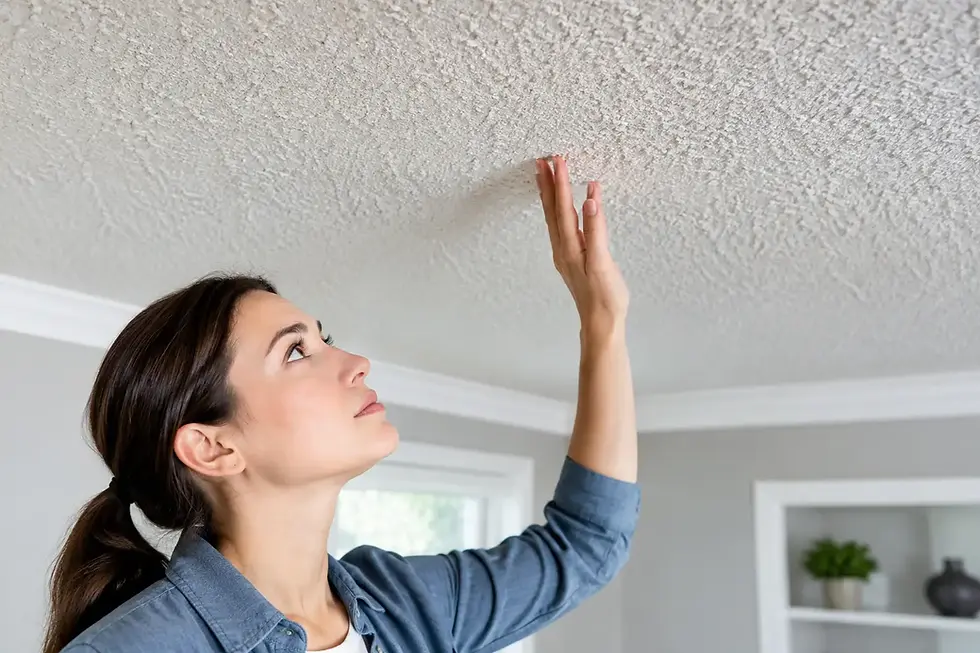
Smooth walls are relatively straightforward, though they still need careful blending. Textured walls and ceilings are more demanding. Orange peel, knockdown, stipple, and hand-applied textures each have their own pattern, thickness, and finish. A mismatched texture can be more noticeable than the original hole.
Texture blending is especially important in older rental properties where previous repairs may already vary from room to room. Sometimes a small localized blend is enough. In other cases, the cleanest choice is to retexture a larger section or an entire wall so the finish reads consistently. It depends on the texture, lighting, and how particular the owner wants the final appearance to be.
Priming and painting the repair properly
Fresh compound and repaired drywall absorb paint differently from an existing painted wall. Primer helps create an even surface and prevents dull patches, flashing, or uneven sheen. Once primed, the area can be painted with a matching product and sheen.
A perfect colour match is not always possible with a partial touch-up. Paint fades over time, batches can vary, and walls collect everyday wear. If the original paint is unavailable or the wall receives strong natural light, repainting the full wall is often the more professional option. It costs more than a small touch-up, but it avoids the square or cloudy outline that can remain visible after the job is done.
Common Rental Wall Problems and the Right Fix
Small nail holes can usually be filled and sanded cleanly. Larger anchors need more attention because the drywall around them may be crushed or broken. A contractor should remove loose material, reinforce the opening where needed, and feather the repair rather than simply pushing filler into the hole.
Door-handle holes are another frequent issue. If the impact has only dented the surface, a careful patch may solve it. If it has broken through the board, the affected area may need to be cut out and replaced. Installing a door stop after the repair is a small step that can prevent the same damage from happening again.
Corner damage is common in hallways, stairwells, and near move-in routes. Minor chips can be rebuilt, but bent or separated metal corner bead may require replacement. This is not a repair to hide with paint. A damaged corner will keep catching light and attention until the edge is straight again.
Cracks deserve an honest diagnosis. Fine hairline cracks may be cosmetic, particularly where materials meet or a home has settled over time. Wider, recurring, or shifting cracks can point to movement, framing issues, moisture, or a failed joint. Repairing the visible crack without addressing the cause may only provide a short-term result.
When a Quick Touch-Up Is Enough
A quick repair makes sense when the wall is otherwise sound, the damage is minor, and there is a confirmed paint match. It can be a practical choice between tenancies, especially in a well-maintained unit with consistent paint throughout.
It is less suitable when several patches sit in the same room, the paint is aged, the wall has texture, or the damage includes cracks and torn drywall. Trying to save a few dollars on preparation can make a rental look neglected, even after it has been cleaned. In competitive rental markets, clean walls and ceilings influence how prospective tenants feel the moment they walk in.
Plan Repairs Around Turnover Without Rushing Them
Rental turnover creates pressure. Owners want the unit ready, tenants want a fair inspection, and new occupants may already have a move-in date. The answer is not to rush drying time or paint before repairs are ready. It is to assess the work early and schedule the right scope.
For a few small repairs, the work may be completed quickly. Larger patches, texture matching, water damage, or full-wall painting can take longer because drying and curing affect the final finish. Cooler or humid conditions can extend those timelines. A clear estimate should explain what is being repaired, whether paint matching is included, and what conditions could change the scope.
Dust control also matters in an occupied building. Sanding drywall creates fine dust that travels farther than most people expect. Floors, furniture, vents, and nearby rooms should be protected, and the workspace should be cleaned thoroughly when the work is complete. A repair is not truly finished if the unit needs another round of cleaning afterward.
Choose Work That Protects the Property
The lowest quote is not always the lowest cost. Poor patches can telegraph through paint, crack at the edges, or force a repaint sooner than expected. More seriously, covering moisture damage without investigating it can allow a small issue to become a larger repair.
For landlords and property owners across the Lower Mainland, working with a drywall specialist can be worthwhile when the repair needs to blend with existing finishes, meet a move-out standard, or correct work that has been patched repeatedly. Devlin Drywall approaches these repairs with the same care as work in an owner-occupied home: protect the space, explain the options clearly, and leave the finish ready for the next chapter.
A well-restored wall should not ask for attention. It should simply make the room feel clean, cared for, and ready for someone to call home.


Comments